
ReelShort - Stream Drama & TV review
 Analysis by GetAllApps
The clearest reason to try ReelShort is its focus on compact, serialized drama. Instead of asking you to set aside an evening for a full-length episode, it gives you short story installments that are easier to fit into a spare moment. I find that format best understood as a way to sample a continuing TV-style story in small pieces, not as a replacement for every kind of streaming.
Drama designed for short viewing sessions
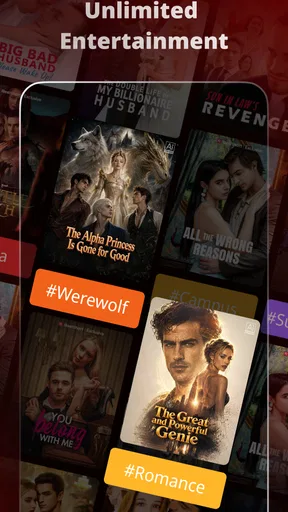
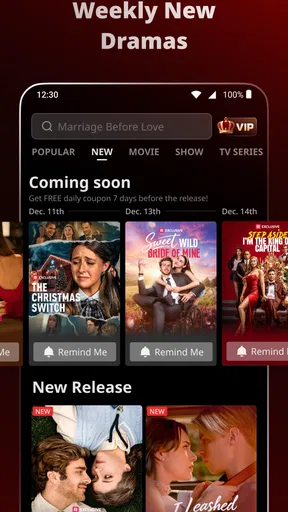
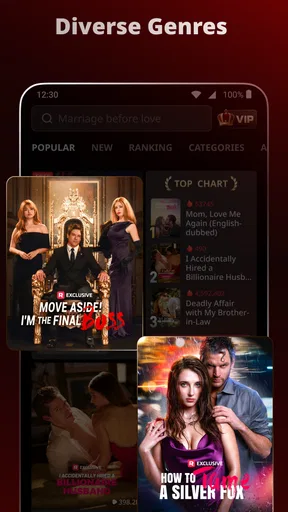
ReelShort is an entertainment app from NewLeaf Publishing, built around short dramas, series, movies, and other video content. Its central appeal is the rhythm: an episode can give you a quick burst of plot, while the series format gives you a reason to return and see what happens next. That combination makes the app feel different from opening a conventional streaming service and choosing a film or a long episode.
In my view, the strongest use of this approach is not simply “watch whenever.” It is having a story ready for the uneven gaps in a day: a quiet lunch break, a wait before an appointment, or a few minutes after finishing a household task. A short installment can make those gaps feel like a complete viewing session rather than a failed attempt to get into a longer programme.
The trade-off is that compact storytelling has to move quickly. Characters and conflicts may be introduced with little runway, and a dramatic turn can arrive before I have had much time to settle into the scene. If you enjoy patient character development, long conversations, or stories that build atmosphere gradually, these dramas may feel rushed. If you like direct conflict and frequent story movement, the format is much easier to appreciate.
What short episodes change in practice
The format changes how I choose what to watch. With a full-length drama, I usually want to know that I have enough uninterrupted time before pressing play. With short serial episodes, I can start with a smaller commitment and decide whether the premise and pacing suit me. That lowers the effort of trying something new, though it also makes it easier to begin a story without intending to spend much time on it.
A useful habit is to treat each viewing break as a stopping point rather than letting a cliffhanger decide the length of the session. Continuing stories naturally encourage one more installment, and a quick check-in can turn into a longer stretch of watching. I would start a series when I have a little spare time, then stop at a deliberate point—such as before opening another episode—if I need to keep the app from taking over a break.
That advice matters especially when watching in public or while switching between tasks. Short video is convenient, but it still asks for attention; following dialogue and plot while working, crossing a busy space, or trying to have a conversation is not a great combination. I treat the small-episode format as flexible viewing, not background audio. It works best when I can give the scene a few minutes of focus.
A practical everyday use case
Picture a commute with a few short waits rather than one long, uninterrupted ride. A serialized drama can make those separate moments feel connected: I watch an installment while waiting, return to the same story later, and do not need to remember a complicated menu of shows just to resume the kind of viewing I wanted. That is where the app’s structure can be more useful than opening a film service and browsing for something that fits an unpredictable window.
There is a limit, though. If your trip involves unstable connectivity, or if you cannot comfortably watch video where you are, the short format does not solve those problems by itself. I would not choose it as my only entertainment plan for a long journey unless I already knew the viewing conditions worked for me. For a dependable offline commute, a service or medium with a clear offline option is a safer choice; I would not assume that every short-drama app handles travel the same way.
The same logic applies to a quick evening wind-down. One compact episode can be a lighter commitment than starting a feature-length movie when bedtime is close. But cliffhanger-led storytelling can make “just one” a difficult promise. I would use it when I want a brisk, plot-forward break and choose a book, a standalone episode, or a complete short film when I want a more natural ending.
How it compares with familiar streaming choices
Compared with a conventional video-on-demand service, ReelShort puts the short installment at the centre of the experience rather than treating it as a bonus. That makes it a more natural fit for people who want stories broken into quick episodes. A mainstream service is usually the better pick when I want a broad mix of full-length films, familiar series, or a single title that can occupy a longer evening.
It also differs from short-video feeds built around unrelated clips. The appeal here is continuing drama: the point is to follow a story across installments, not only to watch a succession of disconnected moments. That distinction is important if you want narrative momentum. It is less compelling if you prefer spontaneous clips, comedy snippets, tutorials, or content you can dip into without keeping track of characters and plot.
Rather than deciding that one format is simply better, I would keep ReelShort as a specific option for brief, story-led viewing. It is not the service I would open when I want a complete cinema-style experience, and it is not the kind of feed I would choose for casual clips with no commitment. Its value is in the middle: ongoing dramatic stories delivered in portions small enough to suit fragmented time.
Costs and the point where friction appears
The app is free to install, but it includes in-app purchases, with listed items ranging from $0.09 to $199.99. That wide span is worth noticing before you start watching: “free” describes getting the app, not necessarily every possible purchase inside it. I would check the cost shown for an item before confirming anything and set a clear personal spending limit if I expect to watch frequently.
This matters because short installments can make the time commitment feel small while the desire to continue a story feels immediate. If a payment prompt appears at a moment when you are eager to see what happens, pause and decide whether that next step is worth the amount shown. I would avoid treating a small initial charge as a reliable guide to the cost of continuing; check the specific purchase rather than guessing how the pricing works.
Another possible friction is expectation. The broad promise of short dramas and other video does not mean every title will match your taste. I would judge the app by whether I find stories I want to follow, not by assuming that a large audience guarantees a personal favourite. Its average rating is 3.8 from around 2 million ratings, and it has over 100 million installs, which suggests substantial reach without making it a guaranteed fit for every viewer.
ReelShort is rated Teen, so I would keep that audience guidance in mind when deciding whether it is suitable for younger viewers. The rating is a useful starting point, not a substitute for deciding whether the tone of a particular story fits your household. If you are choosing entertainment for a teen, it makes sense to look at the content together rather than relying on the app’s overall format alone.
Who is most likely to enjoy it
I would recommend ReelShort to someone who likes melodramatic, plot-led storytelling and often has short windows for watching. It also suits viewers who are curious about a premise but reluctant to commit immediately to a long episode. The app gives that audience a practical way to try serial drama in smaller portions, especially when the alternative is not watching anything because there is no time for a full programme.
It is a weaker choice for people who want slow-burn writing, long episodes, extensive film libraries, or a viewing experience that never nudges them toward continuing. If I wanted one complete story with a settled ending, I would pick a standalone film. If I wanted a wide-ranging catalogue of long-form TV, I would start with a general streaming service. If I wanted something that demands almost no attention, I would choose audio or simple clips rather than a continuing drama.
The app runs on Android 7.0 or later, and its current version is 4.2.00. It was released on August 10, 2022, and has accumulated around 51,000 written reviews. Those details put it in context as an established app rather than a new experiment, but they do not change the central decision: whether short, continuing drama is the kind of entertainment you actually want in your spare moments.
My verdict on the short-drama format
For me, ReelShort makes the most sense as a companion to longer streaming, not a substitute for it. Its short serialized dramas are a genuine convenience when my time comes in fragments, and they are easy to try without planning a full evening around a show. The same design can encourage extra viewing and can feel hurried to anyone who prefers stories with more room to breathe.
I would give it a try if the idea of following dramatic stories in small installments sounds appealing, while keeping an eye on purchase prompts and choosing stopping points before a cliffhanger takes over. If you want long-form storytelling, a single complete film, or content that works without your attention, another format will serve you better. ReelShort is at its best when a few spare minutes are enough for one more piece of a story.
Pros and cons
Pros
- Episodes are short and easy to watch during breaks
- The vertical format works well for one-handed viewing
- New stories cover romance and other popular drama genres
- Personalized recommendations help surface more series
- Viewing progress makes it easy to resume an episode
Cons
- Many series end episodes on cliffhangers
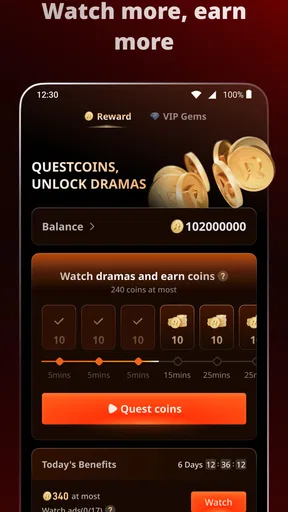
- Free viewing may require ads or waiting for unlocks
- Coins for premium episodes can add up quickly
- Some stories rely on familiar plot twists
- A steady internet connection is needed to stream


